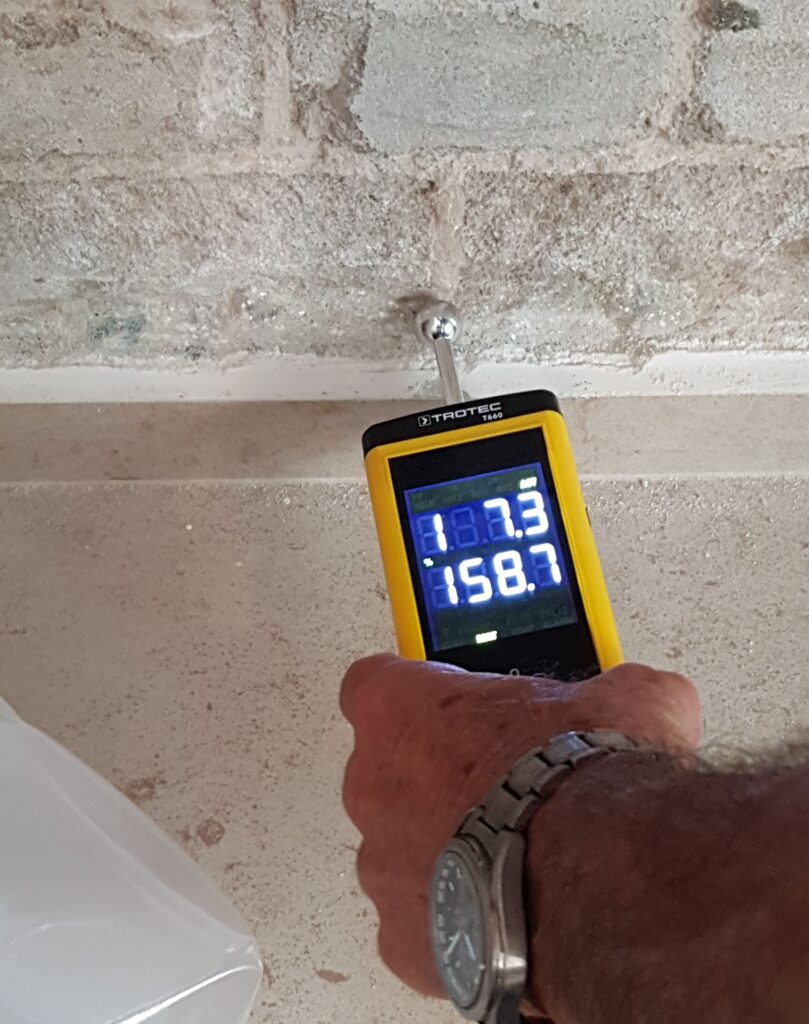
Quick answer: Mold assessment investigates the problem and helps define the work. Sampling collects evidence for a specific question. Remediation performs the cleanup and removal. These are not interchangeable services. EPA says sampling is usually unnecessary when visible mold growth is present, and no federal mold-spore limits establish universal occupancy clearance. Before approving a proposal, ask what decision each service supports, what written deliverable you receive and what remains excluded. (epa.gov)
This guide is for U.S. homeowners comparing professional services after water damage. State requirements differ; the examples below were checked on November 25, 2026. It is not a diagnosis, cleanup procedure or permission to occupy a damaged property.
1. Separate investigation, sampling and cleanup
A proposal labeled “mold service” needs more explanation. Start by asking the provider to separate these functions:
| Service | Main purpose | Deliverable to request |
|---|---|---|
| Assessment | Investigate conditions and define the problem | Written findings, inspection limits and recommendations |
| Sampling/testing | Answer a defined question using collected samples and analysis | Sampling plan, laboratory results and interpretation |
| Remediation | Carry out specified cleanup and removal | Work scope, exclusions and completion records |
| Post-remediation assessment | Evaluate completed work against agreed criteria | Written findings identifying what was checked and unresolved conditions |
New York’s Department of Labor distinguishes the assessor’s remediation plan from the remediator’s work plan. Texas likewise regulates assessment and remediation as separate activities. The precise documents and credentials depend on the jurisdiction and project. (dol.ny.gov)
Use the table as a proposal checklist, not a nationwide legal definition. Ask the provider to mark each service included, excluded or separately priced.
The practical distinction is simple: a sampling-only purchase does not buy cleanup. A cleanup purchase should not be assumed to include independent assessment, leak repair, reconstruction or a return inspection.
2. Ask the assessment to explain moisture, extent and uncertainty
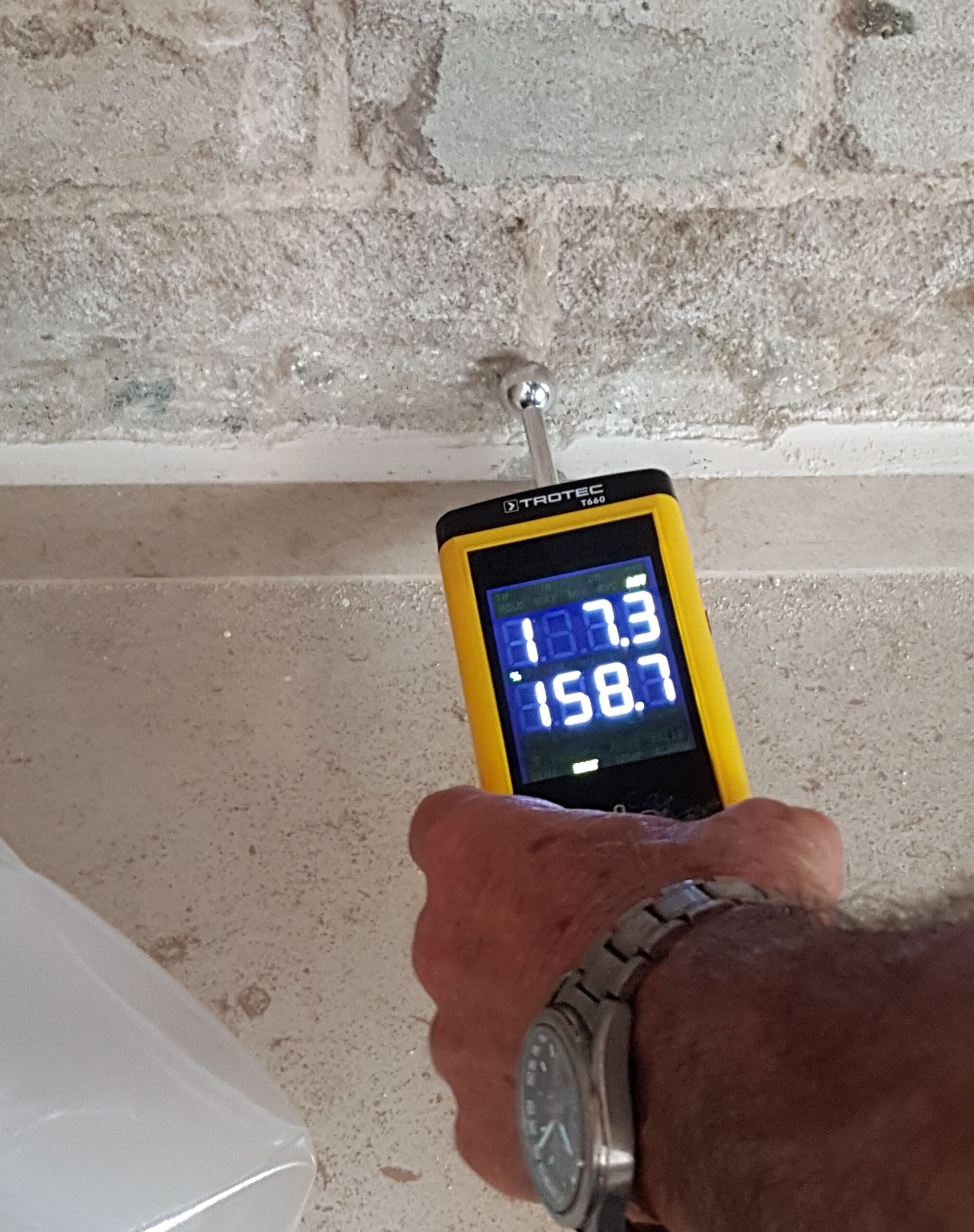
EPA identifies moisture control as central to mold control. Cleaning without correcting the water problem makes recurrence likely. That makes the moisture investigation an important part of your purchasing decision—not an optional detail beneath a laboratory result. (epa.gov)
Request a written assessment that distinguishes:
- Observed conditions: affected rooms, materials, visible growth and water damage.
- Moisture findings: where measurements were taken and how the assessor interprets them.
- Suspected conditions: concealed damage or moisture sources requiring further investigation.
- Access limits: cavities, contents, finishes or systems that were not inspected.
- Next decisions: additional investigation, specialist assessment or remediation planning.
Ask, “Which findings support the proposed work, and which parts remain uncertain?” Avoid treating “not inspected” as “unaffected.”
Do not open walls or remove finishes yourself to investigate suspected concealed growth. EPA cautions that disturbing hidden mold can release spores and recommends considering an experienced professional for suspected hidden problems. (epa.gov)
Also separate moisture-source repair from mold work. Ask who is responsible for arranging the relevant plumbing, roofing or building-envelope repair, and what documentation will show that the source has been addressed. A proposal should not leave that responsibility unnamed.

3. Buy sampling only when its purpose is clear
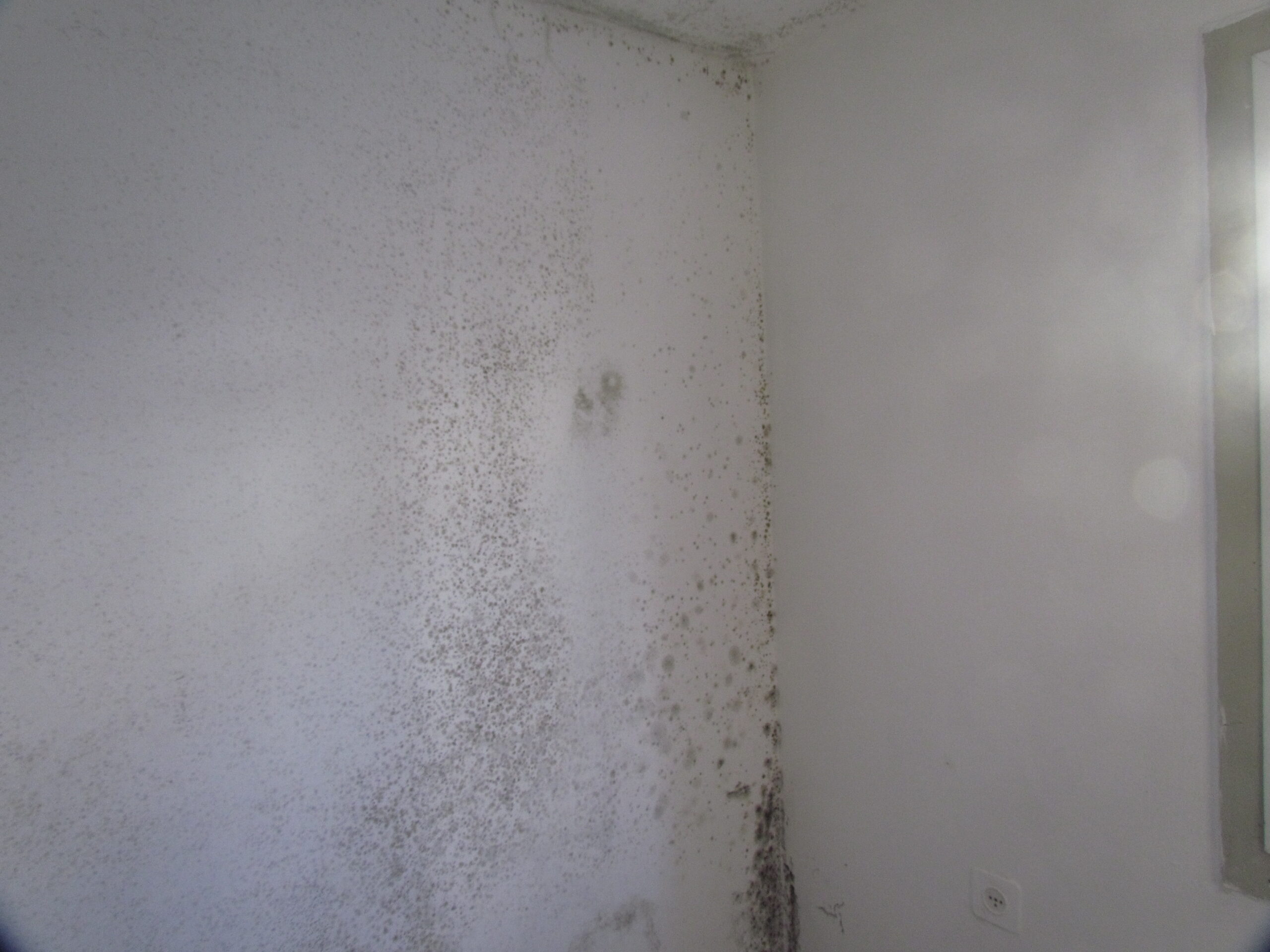
EPA says that, in most cases, sampling is unnecessary when visible mold growth is present. It also notes that surface sampling can sometimes help evaluate whether an area has been adequately cleaned. Sampling therefore needs a project-specific purpose; it is neither automatically necessary nor automatically useless. (epa.gov)
Before authorizing it, ask:
- What question will these samples answer?
- How could the result change the recommended work?
- Why are these sample types and locations appropriate?
- Who will interpret the results alongside the inspection findings?
- What limitations will the report explain?
Request the proposed sample count, locations, analysis charges and interpretation fee in writing. Ask whether additional samples require your approval.
Do not pay for testing solely to obtain a species name when the cleanup decision is already clear. CDC says homeowners do not need to know the mold type before addressing growth and its moisture source. A photograph or color description is not a reliable species identification; do not accept a “black mold” label as a laboratory finding. (cdc.gov)
Be equally cautious about a promised “safe spore count.” EPA states that there are no EPA or other federal limits for mold or mold spores. A test cannot demonstrate compliance with a federal mold limit that does not exist, and CDC warns that sampling cannot establish whether an individual will become sick. (epa.gov)
If a provider proposes numerical acceptance criteria, ask who selected them, what they mean for this project and what their limitations are.

4. Check independence and state requirements before hiring
Ask who owns each business, who receives referral payments and who will evaluate the completed work. Different company names alone are not a sufficient answer to questions about financial relationships.
Two state examples show why location matters:
- Texas: Chapter 1958 generally requires licenses for mold assessment and remediation, subject to exemptions. It prohibits a license holder from performing both services on the same project and prohibits a person from holding an ownership interest in both entities performing those services on that project. The statute contains a school-district exception to its conflict-of-interest section. (tcss.legis.texas.gov)
- New York: Department of Labor guidance says a licensee cannot perform both assessment and remediation on the same project. It also says a homeowner’s waiver does not allow a licensed remediator to proceed without an assessment from a licensed assessor. (dol.ny.gov)
These examples do not establish a nationwide requirement for separate companies on every job. Nor does EPA’s advice that sampling is often unnecessary remove a state requirement for assessment.
Before signing, ask the applicable state regulator:
- Does this work require a mold-specific license?
- Which individual and business credentials must be current?
- Does an exemption apply to this project?
- Must assessment and remediation be independent?
- What plans and completion documents are required?
Request credential details from the provider and verify them with the regulator. Also check relevant cleanup experience and references, as EPA recommends when selecting a mold cleanup contractor. (epa.gov)
5. Compare proposals by deliverables: a worked example
Illustrative scenario—not a diagnosis or price estimate: A homeowner reports visible growth near a previously leaking window. Whether the assembly is now dry and whether concealed materials are affected remain unresolved.
The homeowner receives two proposals:
| Item | Proposal A: sampling only | Proposal B: remediation |
|---|---|---|
| Stated work | Collect specified samples and provide laboratory results | Clean or remove materials within a defined work area |
| Moisture investigation | Not stated | Refers to earlier findings, but those findings are not attached |
| Written interpretation | Unclear | Not included |
| Window repair | Excluded | Excluded |
| Completion assessment | Not included | Separately priced |
| Reconstruction | Not included | Excluded |
These proposals are not competing prices for the same outcome.
Step 1: Clarify Proposal A. Ask what the samples will determine and whether interpretation is included. If the purpose is merely to confirm already visible growth, ask why sampling would change the plan, given EPA’s guidance. (epa.gov)
Step 2: Clarify Proposal B. Request the referenced assessment, affected-material schedule and work-area boundaries. Ask how the scope addresses uncertainty about concealed conditions.
Step 3: Assign the missing responsibilities. Identify who will arrange the window repair, document moisture conditions, evaluate completed remediation and rebuild finishes.
Step 4: Request comparable bids. Compare remediation proposals against the same assessment and completion objectives—not against the price of collecting samples.
Neither service is universally required simply because it appears in this example. The useful result is a service map showing what each payment buys and what decisions remain open.
6. Build the budget around scope, not sample count alone
For budgeting, request separate prices or pricing bases for each proposed service rather than one unexplained “mold treatment” total.
Ask the proposal to identify:
- Assessment visits, written reporting and any remediation plan.
- Sampling, laboratory analysis, interpretation and additional-sample authorization.
- Included rooms, materials and quantities.
- Proposed containment, equipment and duration assumptions.
- Contents handling, removal and disposal.
- Moisture-source repairs and drying responsibilities.
- Post-remediation assessment, return visits and possible retesting.
- Reconstruction, permits or specialist services, where applicable.
These are comparison prompts, not a recommendation to purchase every item.
Request an explanation of removal decisions. EPA notes that moldy porous materials may be difficult or impossible to clean completely and may need disposal. It also advises against painting or caulking moldy surfaces before cleanup and drying. A proposal that only promises a coating needs clarification about the underlying cleanup. (epa.gov)
For uncertain work, ask for an approval process: what finding would justify expansion, what records you would receive and how additional charges would be authorized. Do not treat an unspecified allowance as an agreed final scope.
Read next: Restoration Change Orders: What to Do When Hidden Damage Adds Work
7. Agree on completion checks before work begins
Do not wait until the final invoice to ask what “complete” means.
EPA’s residential guidance says completion involves correcting the moisture problem, completing mold removal and checking for visible mold, moldy odors and subsequent signs of water damage or renewed growth. It also recognizes that staining or cosmetic damage may remain. Those distinctions make written findings more useful than a vague “passed” message. (epa.gov)
Before work starts, request agreement on:
- Who performs the completion assessment and whether independence is required.
- Which areas and materials will be evaluated.
- What moisture documentation and visual checks will be recorded.
- Whether sampling is included and what question it answers.
- What happens if the agreed criteria are not met.
- Who pays for additional work, return visits or repeat sampling.
- What report you receive before reconstruction proceeds.
Do not interpret project completion paperwork as universal occupancy clearance or a guarantee against future growth. Federal mold-spore limits do not provide such a clearance standard. (epa.gov)
Finally, keep the service boundary clear. Sewage or other contaminated-water damage calls for professionals experienced with that contamination; suspected HVAC contamination also needs appropriate attention. These conditions should not disappear inside a generic mold-testing package. (epa.gov)
The strongest proposal answers four questions plainly: What is known? What decision remains? What work are you buying? How will completion be evaluated?