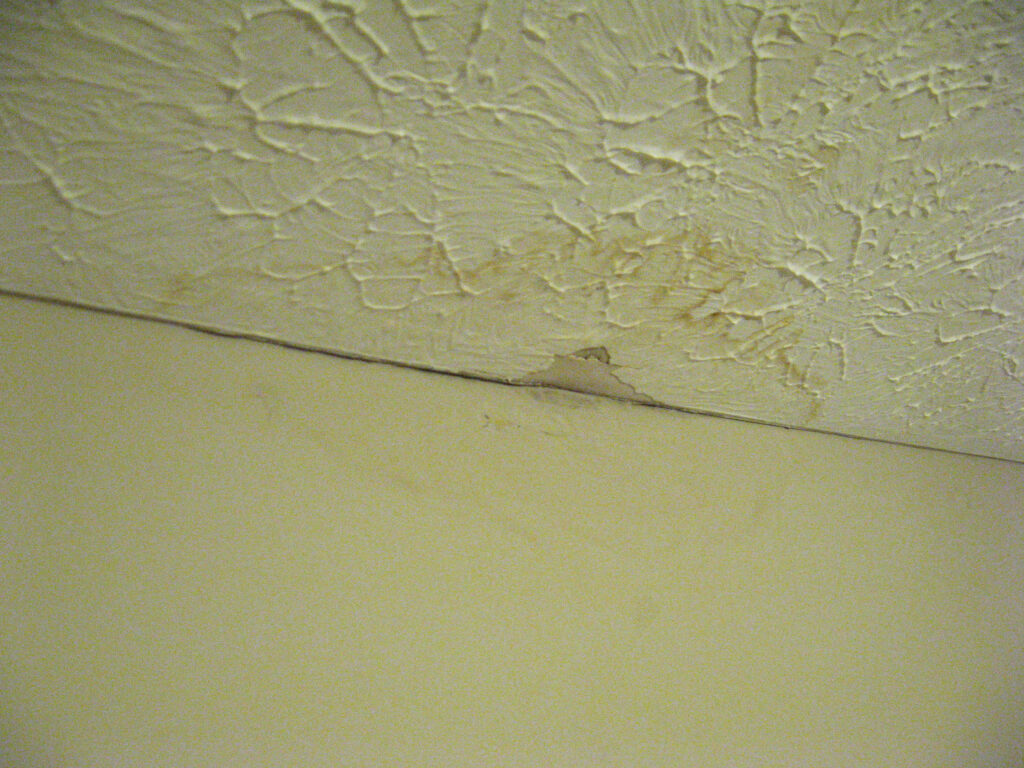
Quick answer: When a contractor discovers damage outside the original restoration scope, request documentation and a written change order before authorizing the additional work. Compare it with your contract, check added quantities and credits, and confirm the revised price, payment terms and completion date. Separate urgent protective work from repairs that can wait for review. Requirements vary by state; California, for example, requires covered changes to price or scope to be signed by the customer and contractor before the change proceeds. Source: California CSLB
A useful change order answers three questions: What changed, why was it outside the agreement, and what will approving it change about your cost and schedule?
This guide is for U.S. homeowners. State examples are not nationwide rules, and the dollar figures below are hypothetical U.S. dollars—not local price estimates.
1. Check what the original restoration agreement actually included
Before discussing the additional price, gather the signed contract, its scope attachments, any emergency-service authorization and previously approved changes.
Mark the affected room and task. Then ask the contractor to identify the provision that makes the proposed work additional. Use this review framework:
| Contract item | What to check |
|---|---|
| Included work | Was this task already promised, including removal, disposal and replacement? |
| Allowance | What work or material does the allowance cover, and how is the final charge reconciled? |
| Exclusion | What specifically was left out, and who was expected to arrange it? |
| Estimated quantity | Was the quantity provisional? What measurement and pricing method govern adjustments? |
| Concealed-condition provision | What notice, evidence and authorization does the contract require? |
Do not treat these labels as substitutes for the actual wording. Ask the contractor to explain how each applies to your project.
For an allowance, clarify whether it includes labor, materials, tax, delivery and contractor markup. Ask how unused amounts become credits. For an exclusion, ask whether the new proposal also covers the work needed to restore finishes afterward.
The Iowa Attorney General recommends written contracts that address scope, materials, price, dates, permits, inspections, cleanup and the change-order process. Use those subjects to identify gaps—not to assume every newly discovered condition automatically justifies an additional charge. Source: Iowa Attorney General
2. Ask for evidence before the damaged area is covered
Request a small evidence packet connecting the newly discovered condition to the proposed work:
- Location: room, wall, floor or ceiling, with a marked photo or sketch.
- Discovery: when the condition became visible and what work exposed it.
- Photographs: an overview for orientation and close-ups showing the condition.
- Quantities: original quantity, revised quantity, units and measurement explanation.
- Assessment: why the contractor proposes removal, repair, additional drying or specialist evaluation.
- Limits: what remains inaccessible or unresolved.
For flood claims, the National Flood Insurance Program recommends photographs and videos from multiple angles and distances, supporting receipts and a conversation log. Those are also useful categories for organizing a change-order file. Follow your insurer’s instructions about retaining materials; hazardous items require different handling. Source: NFIP Claims Checklist
Ask the contractor to distinguish observations from conclusions. “Additional staining became visible” does not explain why every proposed replacement item is necessary. Request the reasoning and, where appropriate, supporting assessment records.
Do not enter an unsafe area to obtain photographs. After a fire, follow access restrictions and obtain appropriate structural advice before entering a damaged building. Leave electrical, gas, structural and hazardous-material assessments to qualified professionals. Source: American Red Cross
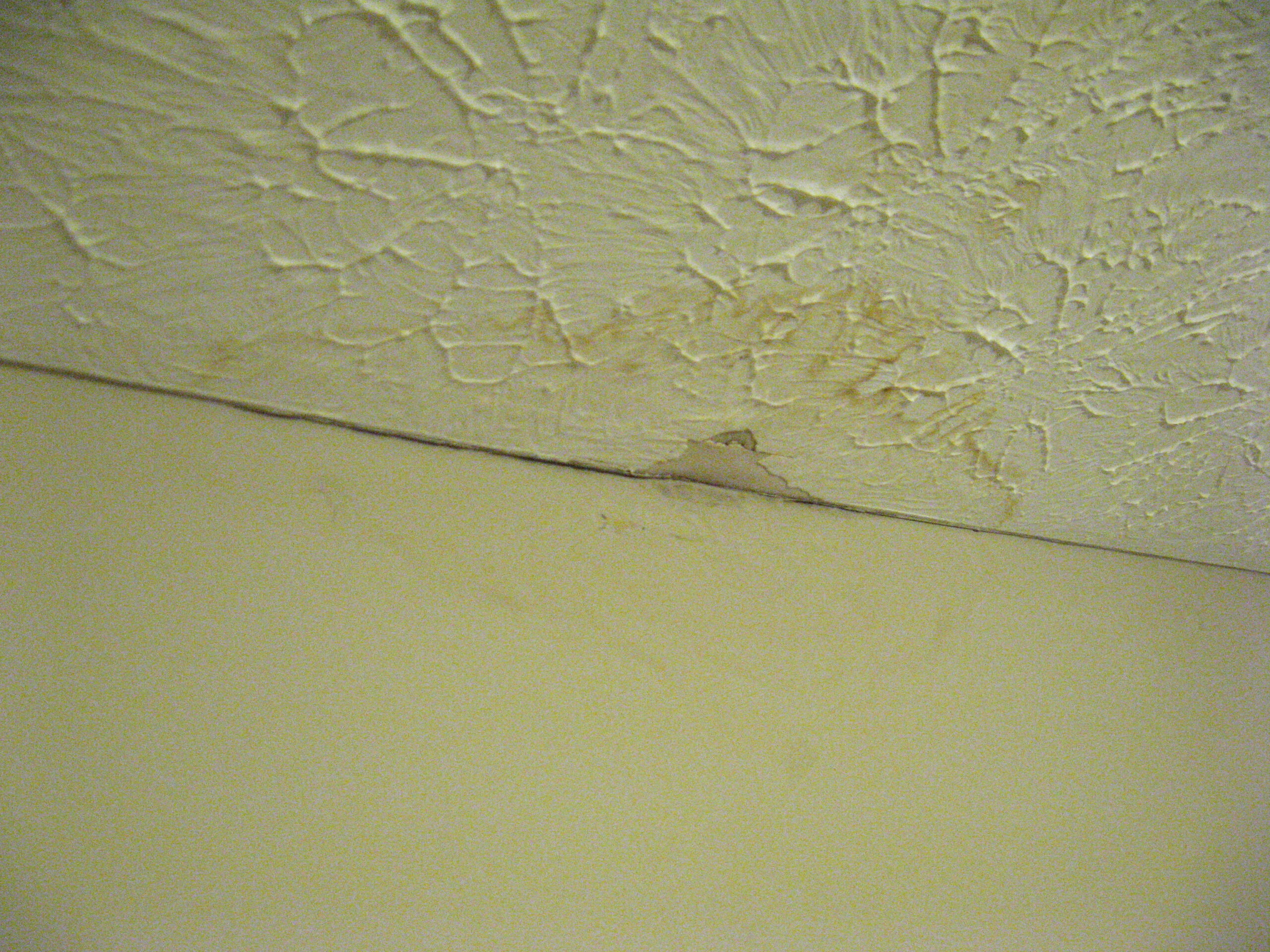

3. Require a change order that explains the complete difference
Use a separate number for each proposal: CO-01, CO-02 and so on. Ask for these fields before approval:
- Contract reference and reason: the original agreement and the discovery prompting the request.
- Added and deleted work: exact locations, tasks, materials and finish requirements.
- Pricing: quantities, units, rates or a clearly defined lump sum.
- Credits: allowances or original work being replaced, reduced or removed.
- Net change: the amount added to—or deducted from—the contract.
- Revised total: the contract value after all approved changes.
- Timing: affected milestones, revised completion date and unresolved dependencies.
- Authorization: signatures, dates and the attached evidence.
Treat this as a practical review checklist, not a universal statutory form. Written detail is consistent with the contract and change-order guidance published by Iowa’s Attorney General and California’s contractor licensing board. Iowa guidance · California guidance
Check scope completeness as carefully as arithmetic. Does additional removal include debris handling? Does wall replacement include insulation, trim, texture and paint where needed? Are protection, permits or specialist visits included or excluded?
If the extent remains unknown, consider requesting a separately priced investigation stage with a defined boundary, reporting requirement and approval point before further repairs. Where time-and-materials pricing is proposed, ask for agreed rates, material documentation, any markup and a spending limit requiring renewed authorization.
4. Confirm authorization rules—and separate emergencies from rebuilding
Contract requirements differ by state. The FTC recommends obtaining a written agreement even where one is not required and including promises about scope, labor and material costs, and estimated dates. (consumer.ftc.gov)
California example: CSLB states that changes to contract price or scope must use a written change order signed by the customer and contractor before the change. Its guidance also calls for detailed work descriptions and a written payment schedule. Do not assume the same requirements or payment restrictions apply elsewhere. Source: California CSLB
Before signing, check your state contractor regulator or consumer-protection office for requirements relevant to your agreement.
For urgent conditions, ask the contractor to identify:
- What protective action is needed now.
- What could happen if that action is delayed.
- What existing emergency authorization covers.
- What separate approval is needed for further work.
Do not use a paperwork disagreement as a reason to enter a hazardous area or direct unsafe work. Conversely, request a clear boundary between immediate protective measures and broader reconstruction.
Keep the insurance question separate: ask your insurer about documentation, inspection and coverage before assuming reimbursement. NFIP guidance specifically directs policyholders to discuss covered cleanup and repair services with their insurer. Source: NFIP Claims Checklist
5. Worked example: review the net increase, not just the added charge
Hypothetical example only: The following scope, quantities and prices are invented to demonstrate bookkeeping. They are not measurements of a real property or market-price guidance.
A homeowner has a $12,000 restoration contract. It includes a $600 allowance for a defined portion of concealed wall work.
After opening the agreed area, the contractor documents additional damaged material. CO-01 proposes replacing the allowance scope with a larger, specifically described package:
| CO-01 item | Hypothetical amount |
|---|---|
| Additional opening, removal and disposal | $450 |
| Defined insulation and wall-finish replacement | $900 |
| Related trim and paint work | $350 |
| Gross replacement package | $1,700 |
| Credit for allowance already in original contract | −$600 |
| Net contract increase | $1,100 |
| Revised contract total | $13,100 |
The quantity attachment might show that the affected area changed from an assumed 40 square feet to 70 square feet. That does not mean every task increased by 30 square feet: removal, insulation, wallboard and painting need their own applicable quantities.
Before approving, the homeowner asks:
- Does the $1,700 package completely replace the $600 allowance scope?
- Is any task already charged elsewhere?
- Are tax, markup and protection included?
- What finish standard is included?
- What further work remains excluded?
- What completion date and payment milestone change?
If the contractor simply added $1,700 without crediting the allowance, the proposed total would be $13,700. In this example, that would count the replaced $600 allowance twice. The correct net increase is $1,100.
6. Track approved costs separately from unresolved exposure
Use a worksheet that keeps signed obligations apart from proposals. The structure below is a suggested planning tool.
| Budget field | Hypothetical entry |
|---|---|
| Original signed contract | $12,000 |
| Approved net changes, including credits | +$1,100 |
| Current authorized contract total | $13,100 |
| Payments made against this contract | −$5,000 |
| Authorized balance not yet paid | $8,100 |
| Pending CO-02—not approved | $800 |
| Planning total if CO-02 is approved | $13,900 |
| Separate inspection cost outside this contract | Not yet quoted |
| Reserve for unresolved conditions | Homeowner-selected; not authorized spending |
The authorized balance is not necessarily due immediately. Use the contract’s payment milestones to determine due dates.
For each pending item, record the responsible person, next action and decision deadline. Write “not yet quoted” rather than zero when a cost is unknown. Track homeowner-paid inspections or temporary accommodation separately so they do not disappear from your overall recovery budget.
Do not select a reserve solely by applying a universal percentage. Instead, list unresolved conditions, investigation costs and plausible scope alternatives. Update the reserve as evidence replaces uncertainty.
Finally, keep expected insurance reimbursement in a separate column from contractor commitments. Ask your insurer which costs and services are covered rather than treating a submitted change order as a payment promise. Source: NFIP Claims Checklist
7. Resolve disagreements in writing before they become final-bill surprises
Common review mistakes include approving by conversation without retaining the final scope, overlooking allowance credits, accepting unexplained quantities and leaving schedule effects unstated. Use the signed change-order packet to check each issue.
If you disagree, identify the disputed item precisely: scope responsibility, quantity, rate, necessity, credit or authorization. Request the missing evidence and state what resolution you want.
The FTC recommends first attempting resolution with the contractor, following telephone discussions with a certified letter requesting a return receipt, and retaining records. If that fails, it identifies consumer-protection offices and dispute-resolution programs as possible sources of help. (consumer.ftc.gov)
Read your contract’s dispute provisions for notice methods, response periods and any mediation or arbitration process. The American Bar Association advises checking whether the contract specifies alternative dispute resolution when direct efforts fail. Obtain local legal advice about contested charges, termination or withholding payment rather than assuming a general checklist determines your rights. (americanbar.org)
Before closing a change order, reconcile its signed scope, photographs, credits, invoices and completion records. Every approved increase should have a documented reason, a defined scope and a visible place in the budget.